Republished posts, travel notes and informal writing. A general-purpose archive — not tied to the Old Ceylon editorial frame.
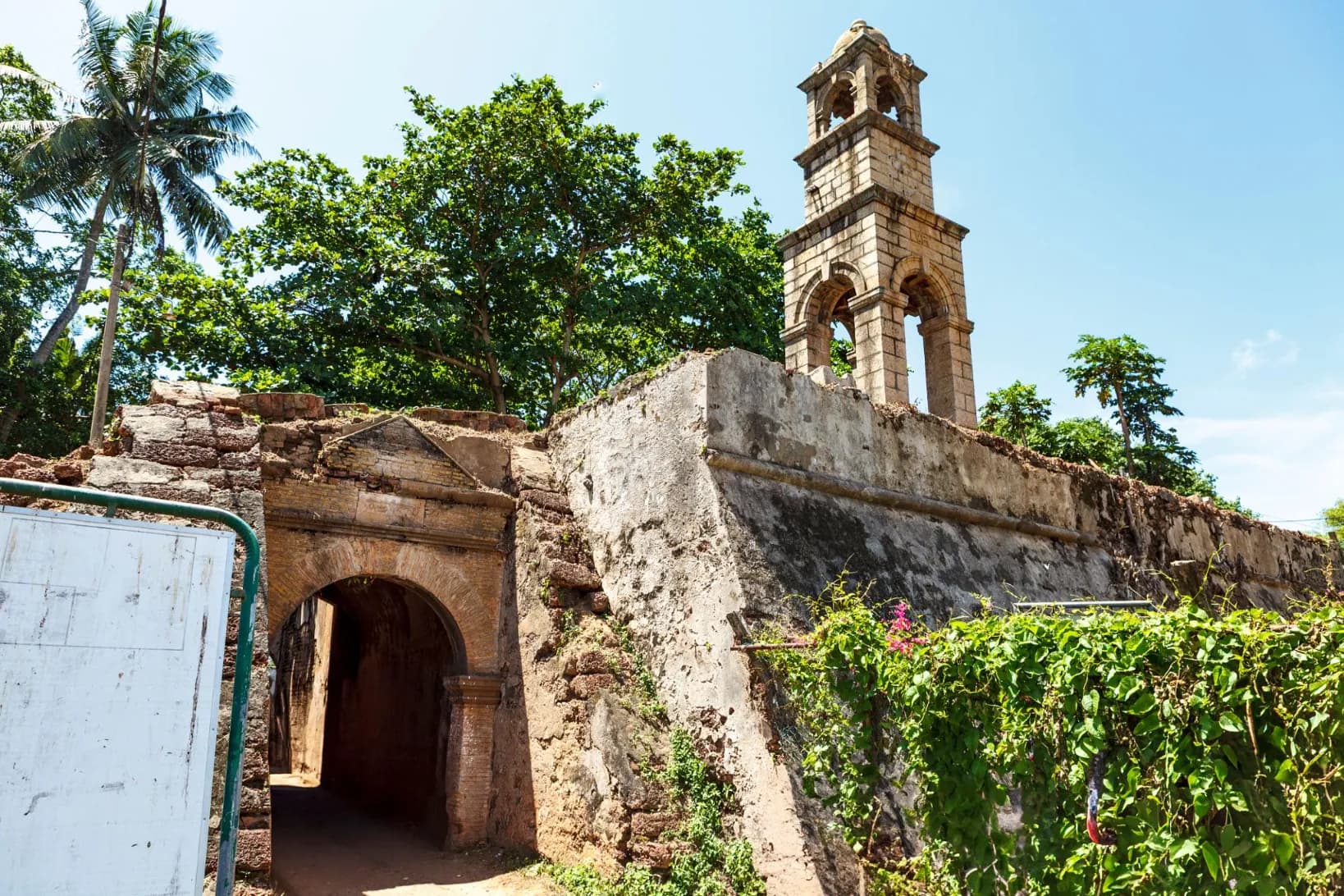
Negombo Dutch Port is one of the most interesting historic areas on Sri Lanka’s west coast. Today, it is not seen as one large “port” building. Instead, it is better understood as the old colonial waterfront area around Negombo Lagoon, the Dutch Fort, the Dutch Canal, the fish market and the harbour. Together, these places …
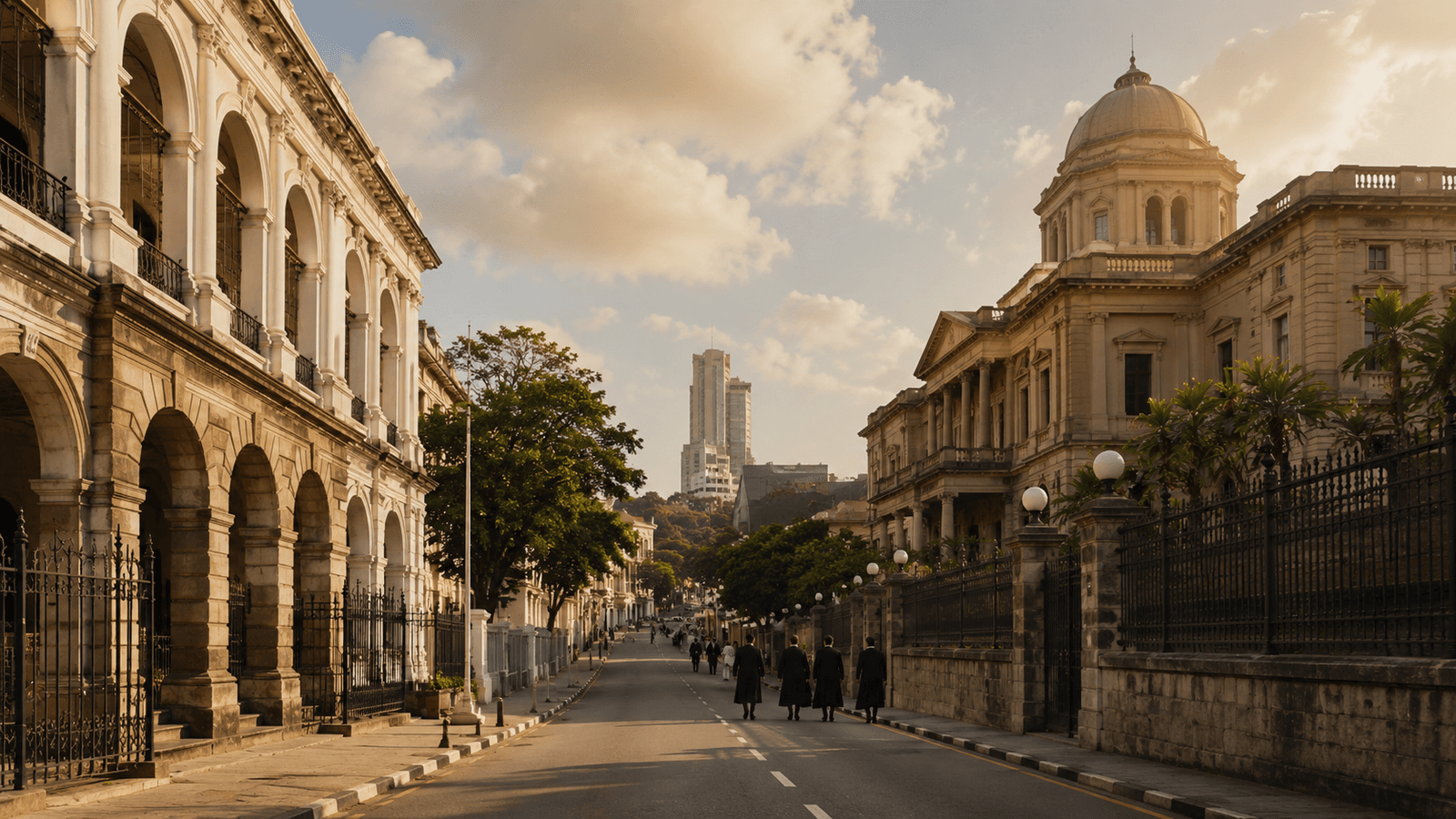
Key Points A Hill That Still Carries the Weight of Old Colombo Some places in Colombo do not announce themselves like tourist attractions. They do not have polished entrances, souvenir stalls or neat signboards inviting visitors to stop. Hulftsdorp is one of those places. It sits within the old city, close to Pettah, Maradana and …
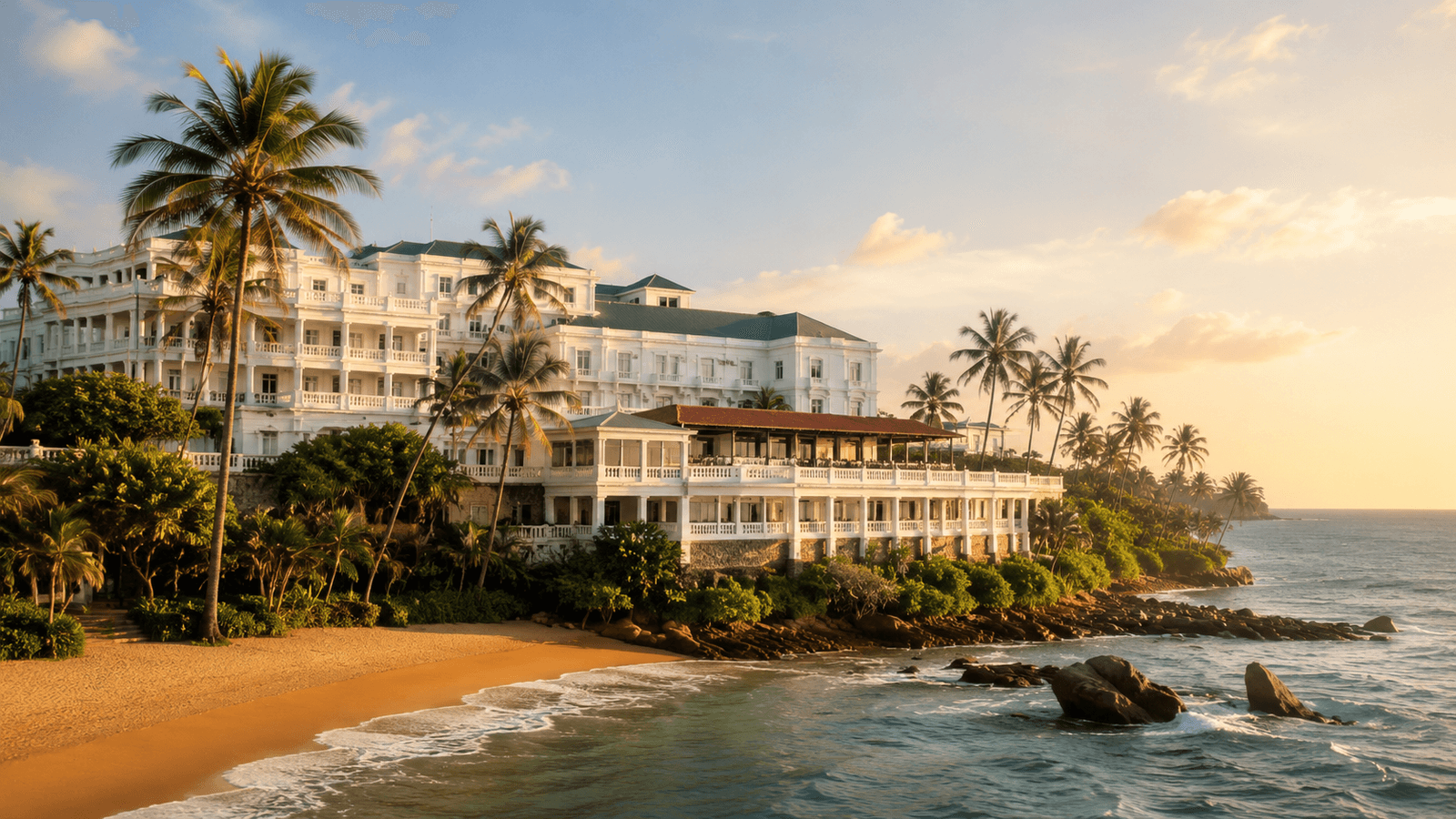
Introduction: Where the Ocean Meets Old Ceylon Few hotels in Sri Lanka carry history as beautifully as Mount Lavinia Hotel. Standing above the sea with its white colonial façade, sweeping verandas and endless view of the Indian Ocean, it is more than a hotel. It is one of the island’s most romantic colonial landmarks — …
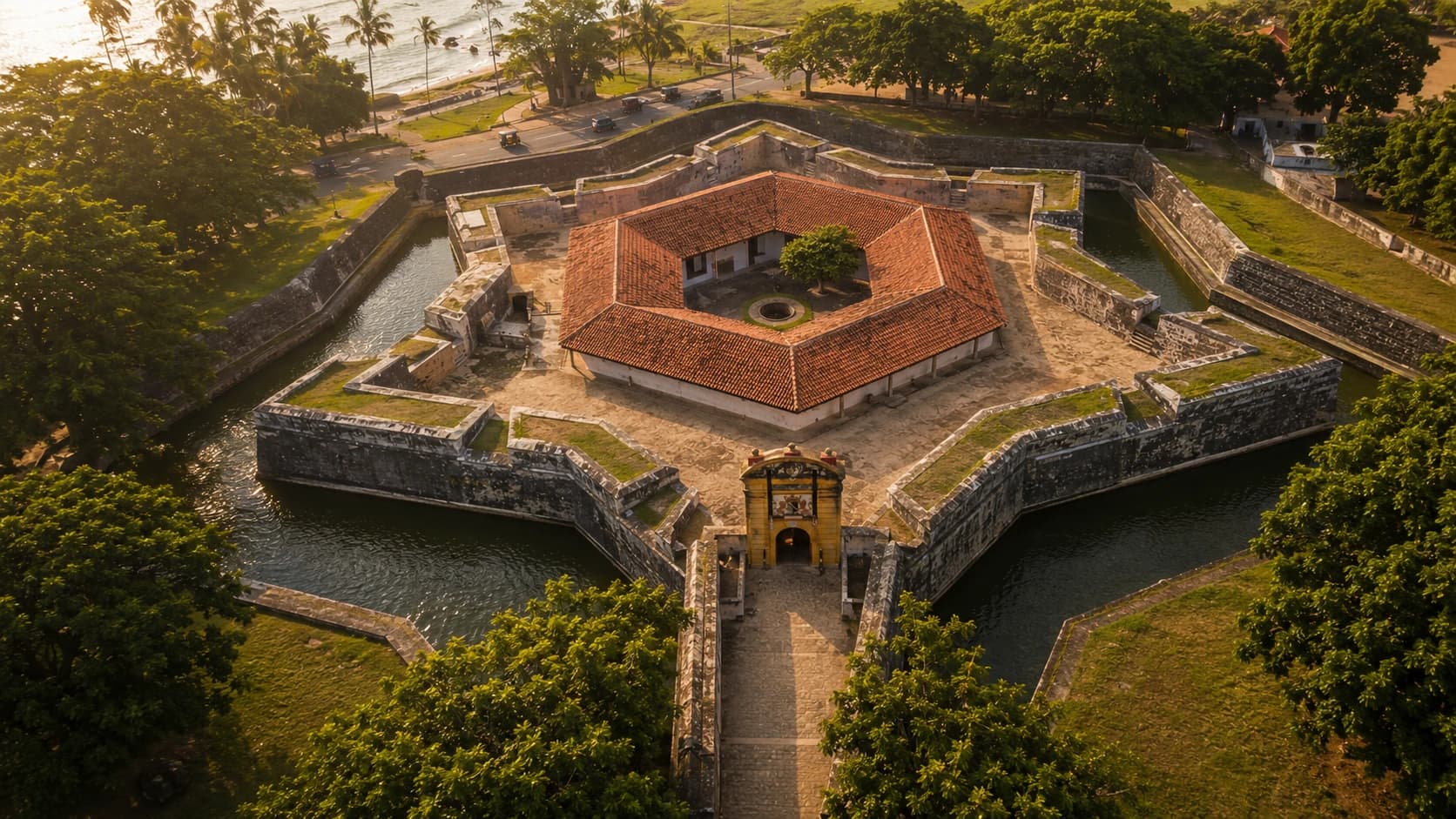
Introduction: A Star Hidden in the South Matara is often remembered for its beaches, river views, busy town life and southern hospitality. But tucked within this coastal city is one of Sri Lanka’s most unusual colonial monuments: the Matara Star Fort. Unlike the long sea-facing ramparts of Galle Fort or the heavier defensive walls of …
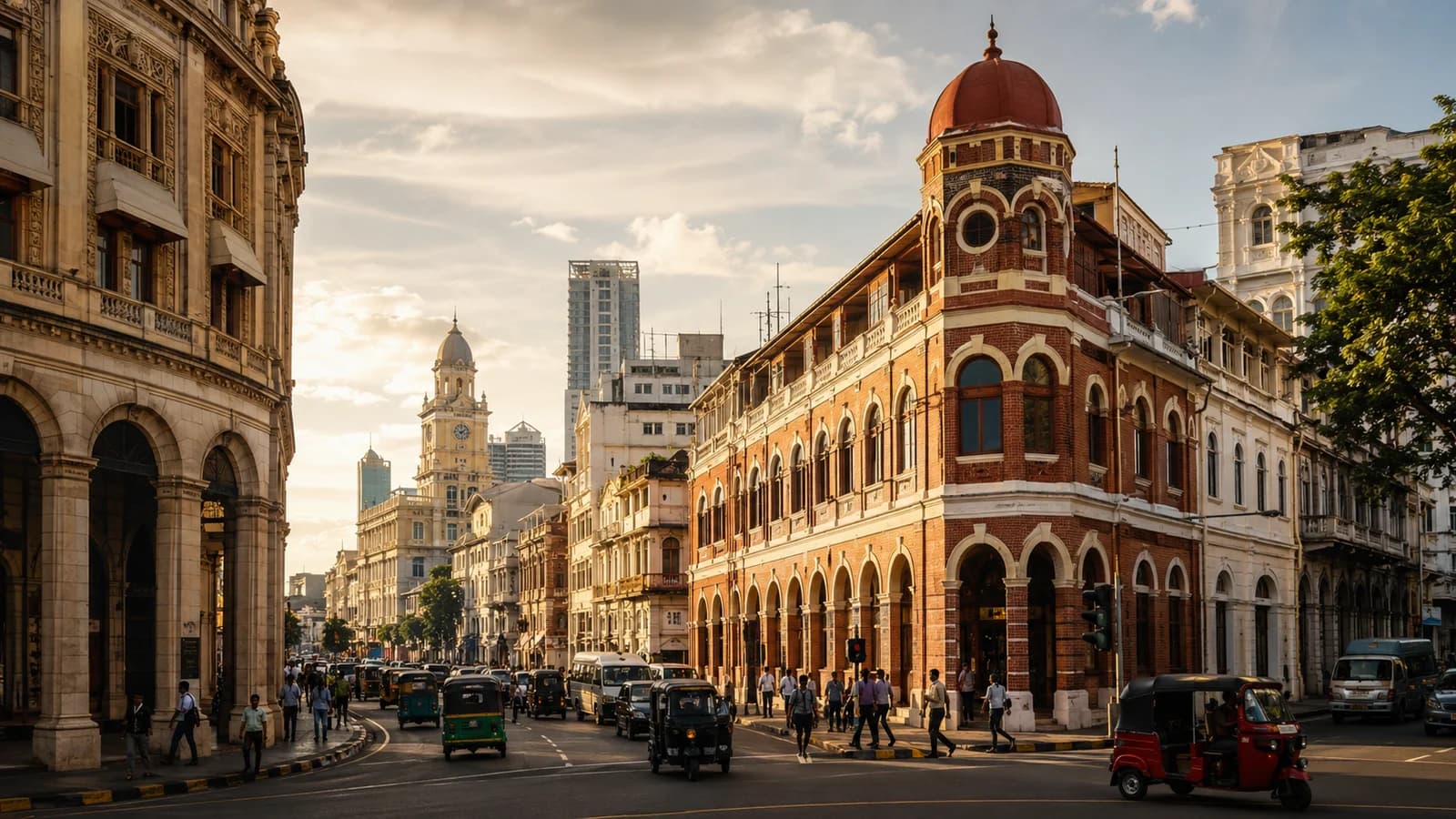
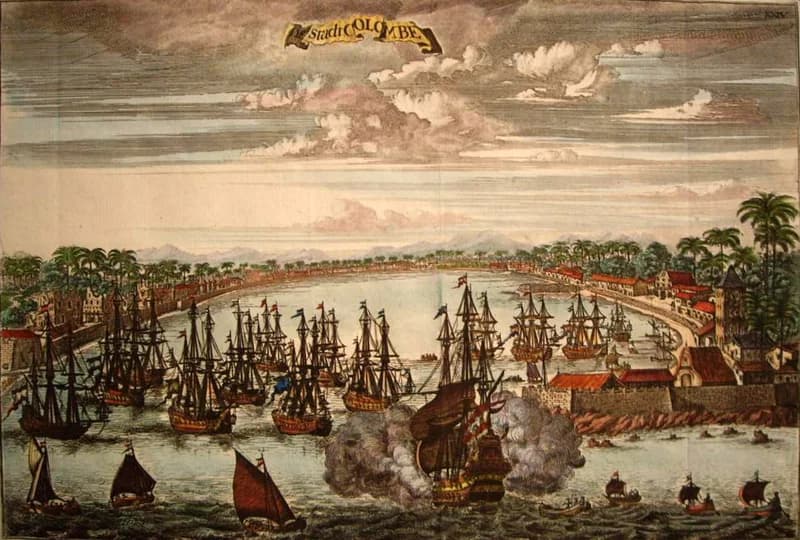
Colombo Fort is one of those places in Sri Lanka where the past does not sit quietly in a museum. It stands in the middle of the city, between traffic, office towers, banks, hotels, government buildings and busy railway lines. At first glance, Fort may look like Colombo’s commercial heart. But behind its modern rhythm …
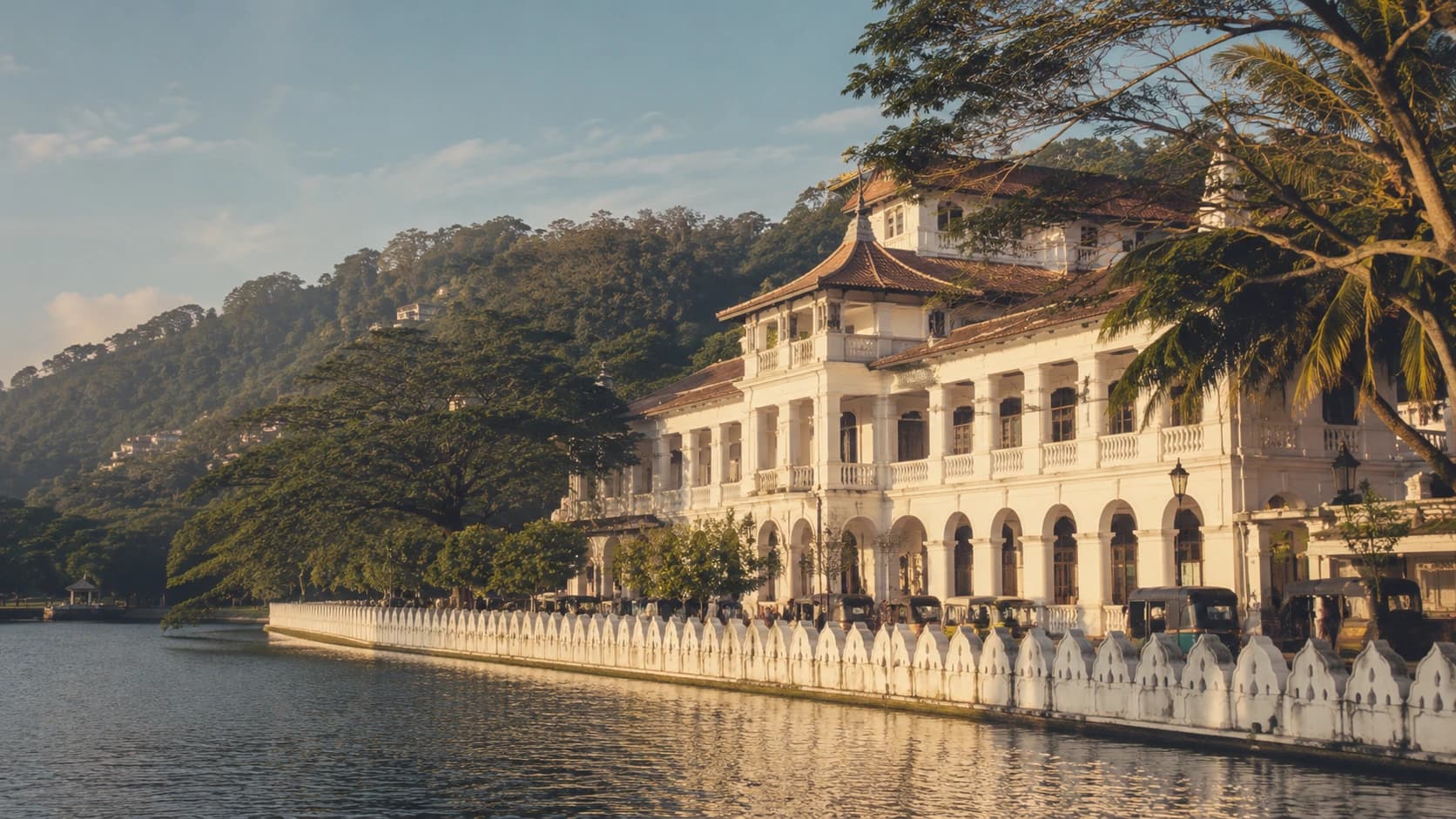
In 1889, long before travel influencers, online booking engines, review sites, and glossy hotel campaigns, a small advertisement in the Ceylon Observer promoted one of Kandy’s most recognizable heritage hotels: Queen’s Hotel, Kandy. The advertisement is simple, direct, and fascinating. It describes Queen’s Hotel as occupying “the best site in the town,” overlooking the Esplanade …
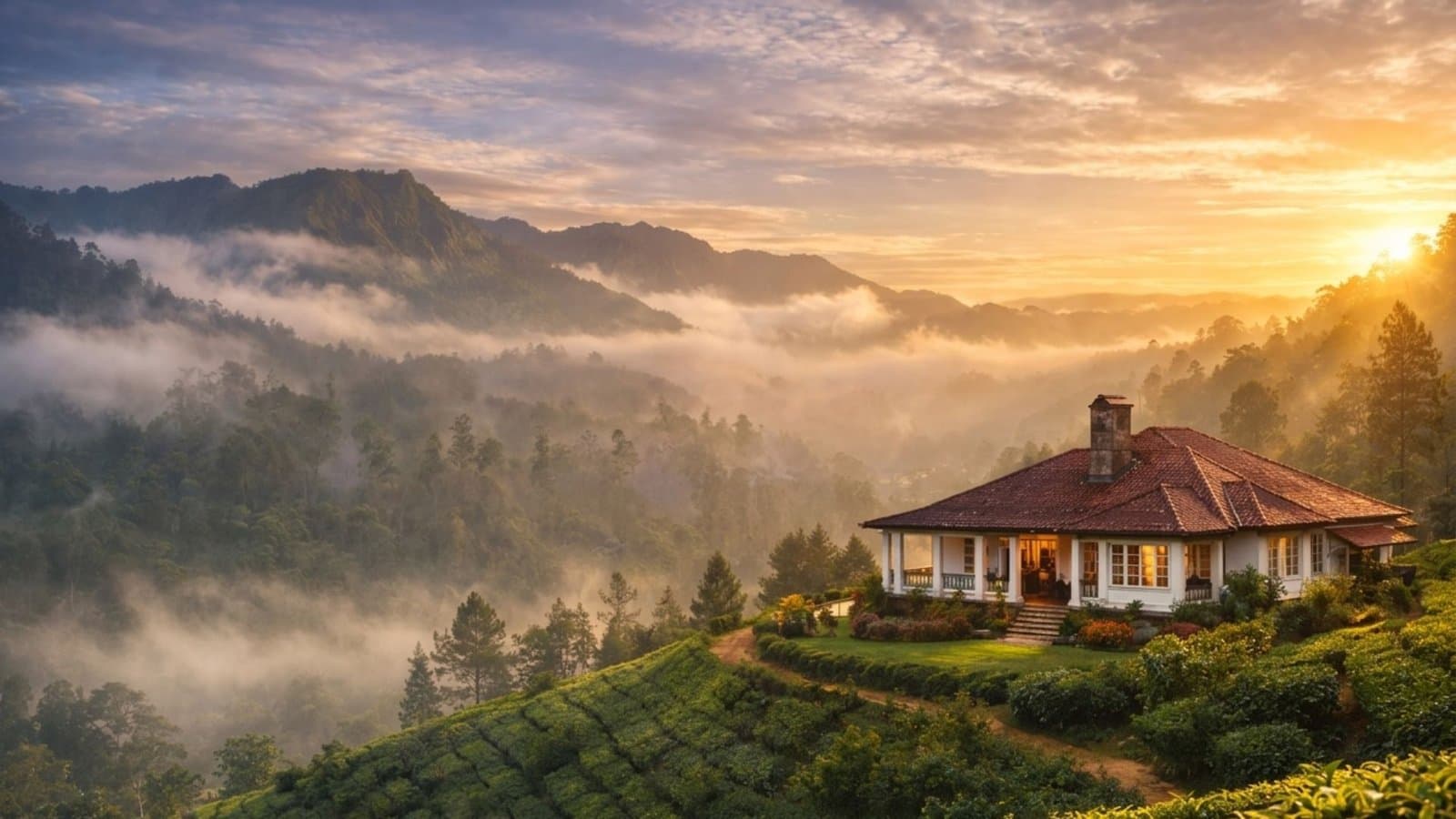
Sri Lanka’s hill country has a mood unlike anywhere else on the island. The air is cooler, the roads curve through emerald tea fields, and the morning mist often hangs low over the mountains. In places like Nuwara Eliya, Hatton, Haputale, Kandy and Ella, travellers still encounter a world shaped by old estate roads, colonial-era …
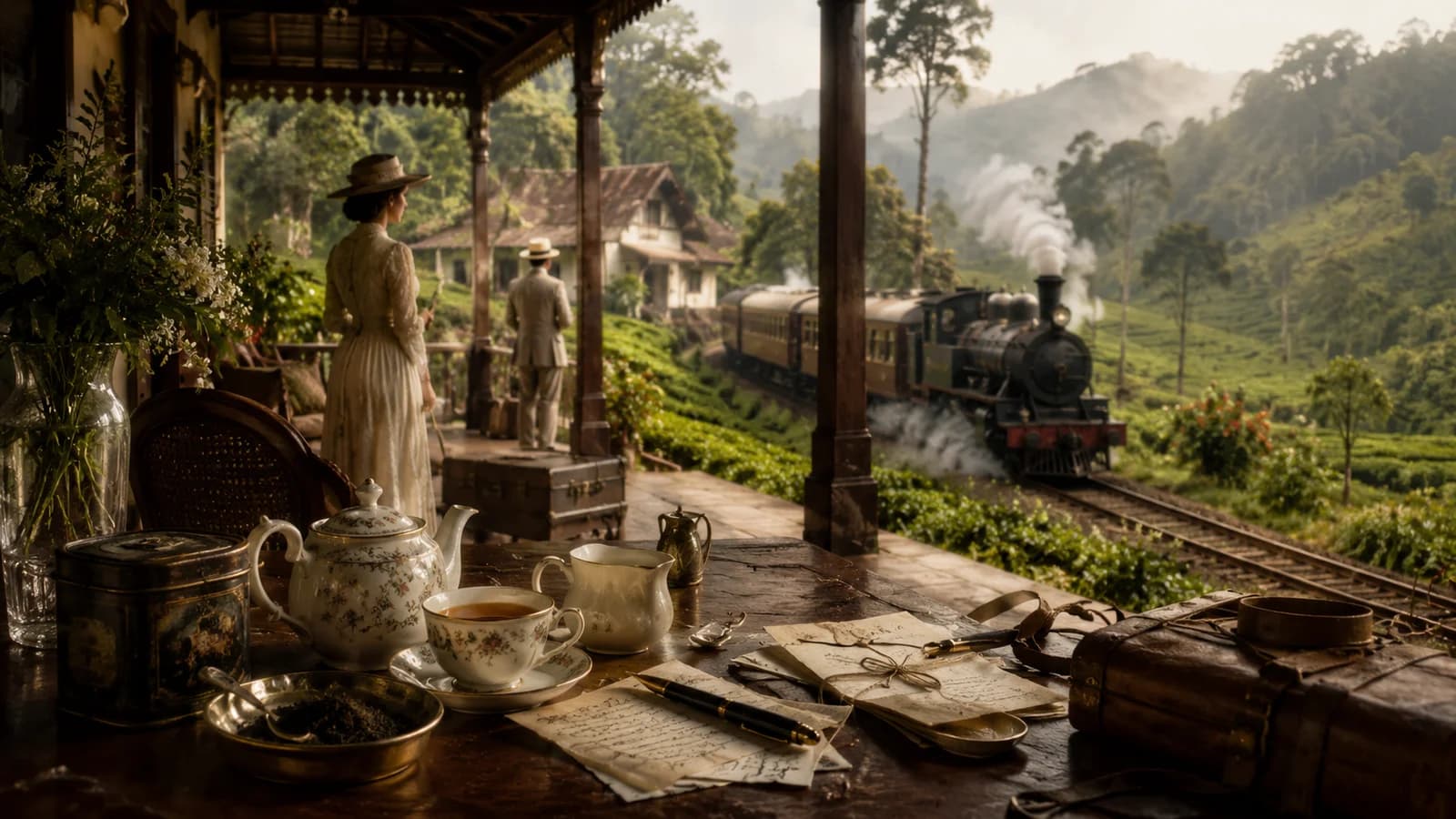
Before Sri Lanka became a fast-moving island of highways, smartphones, expressways and weekend getaways, there was another Ceylon — slower, quieter and wrapped in a kind of faded elegance. It was a world of tea-scented mornings, railway smoke, handwritten letters, polished wooden floors, white verandas, monsoon rain on tiled roofs and long journeys that were …
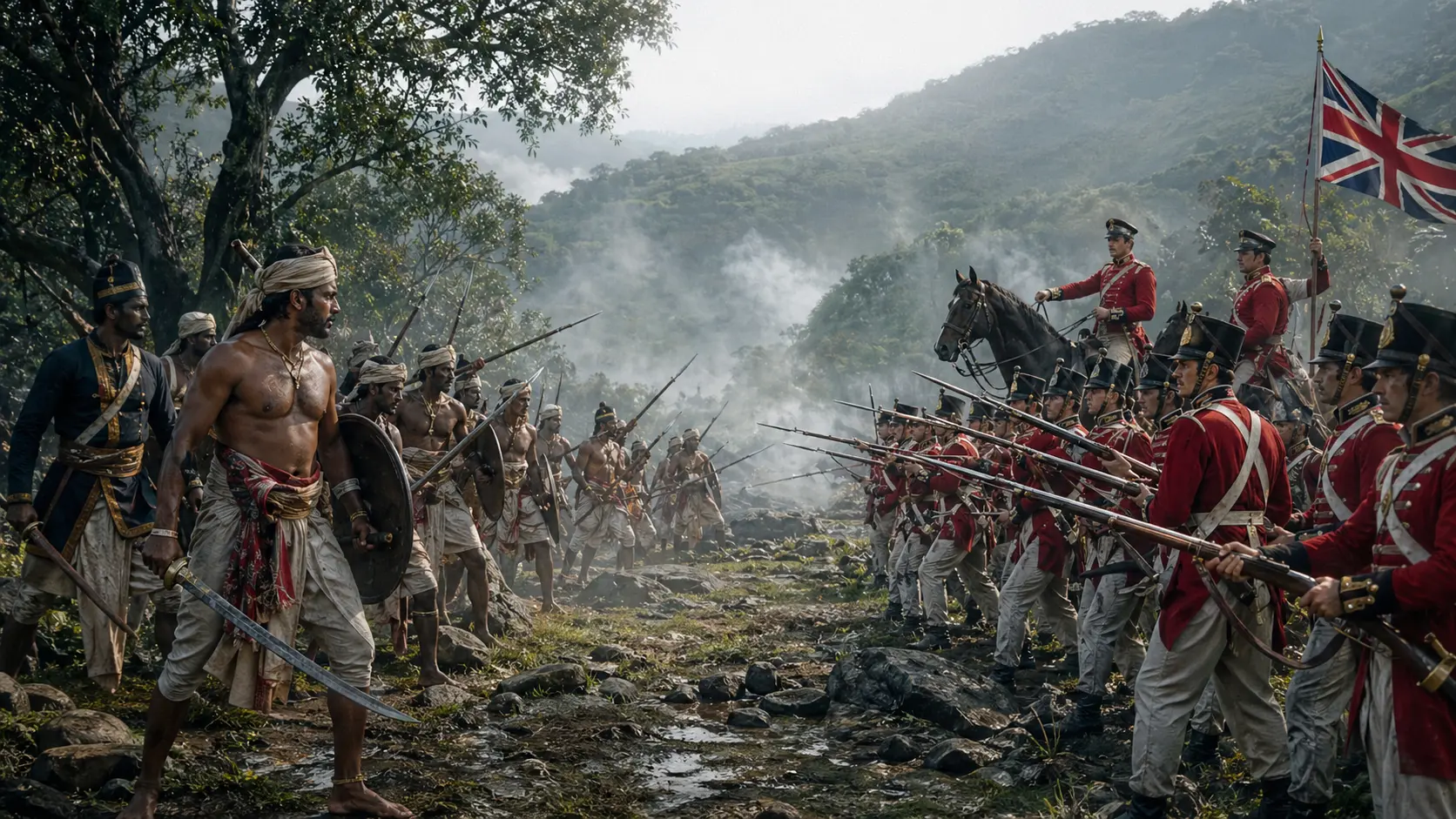
The Uva Rebellion, also known as the Great Rebellion of 1817–1818, remains one of the most powerful chapters in Sri Lanka’s colonial history. It was not a small local disturbance, nor a simple protest against British rule. It was an organised and emotionally charged resistance that rose from the Kandyan highlands, especially the Uva and …
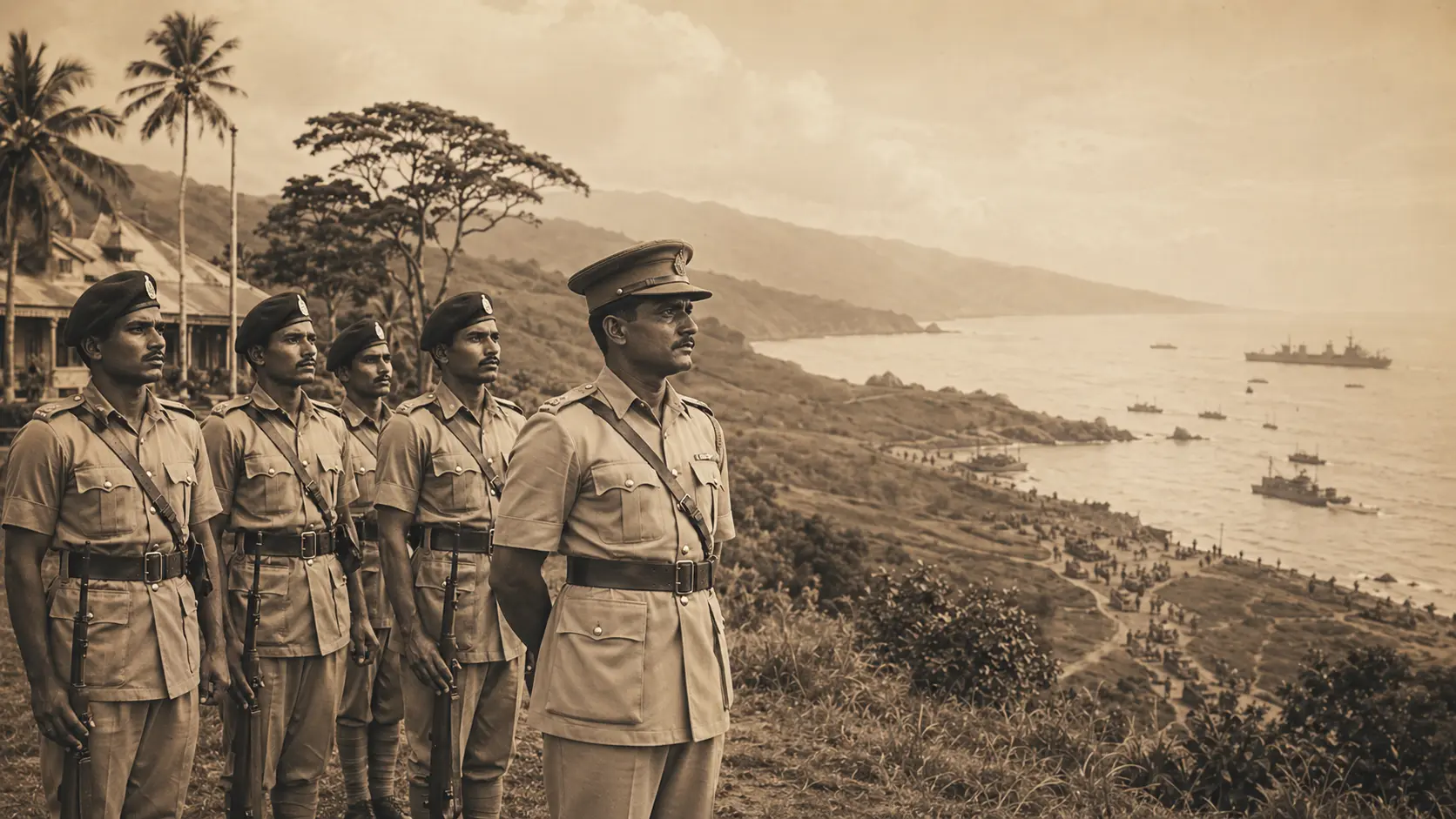
There is something quietly powerful about an old military photograph from Diyatalawa. The sepia tones, the stiff uniforms, the formal posture, the mountain backdrop — it carries the atmosphere of an older Ceylon, where military life, colonial history, hill-country discipline, and imperial service all crossed paths. The image of the Young Officer Batch 2 at …
In the heart of Colombo, where traffic, trade, and everyday city life move at a restless pace, the Dutch Wolvendaal Church stands in a world of its own. Its white walls, red roof, arched doorways, and quiet courtyard tell a story that goes far beyond architecture. This is not simply an old church in Pettah. …
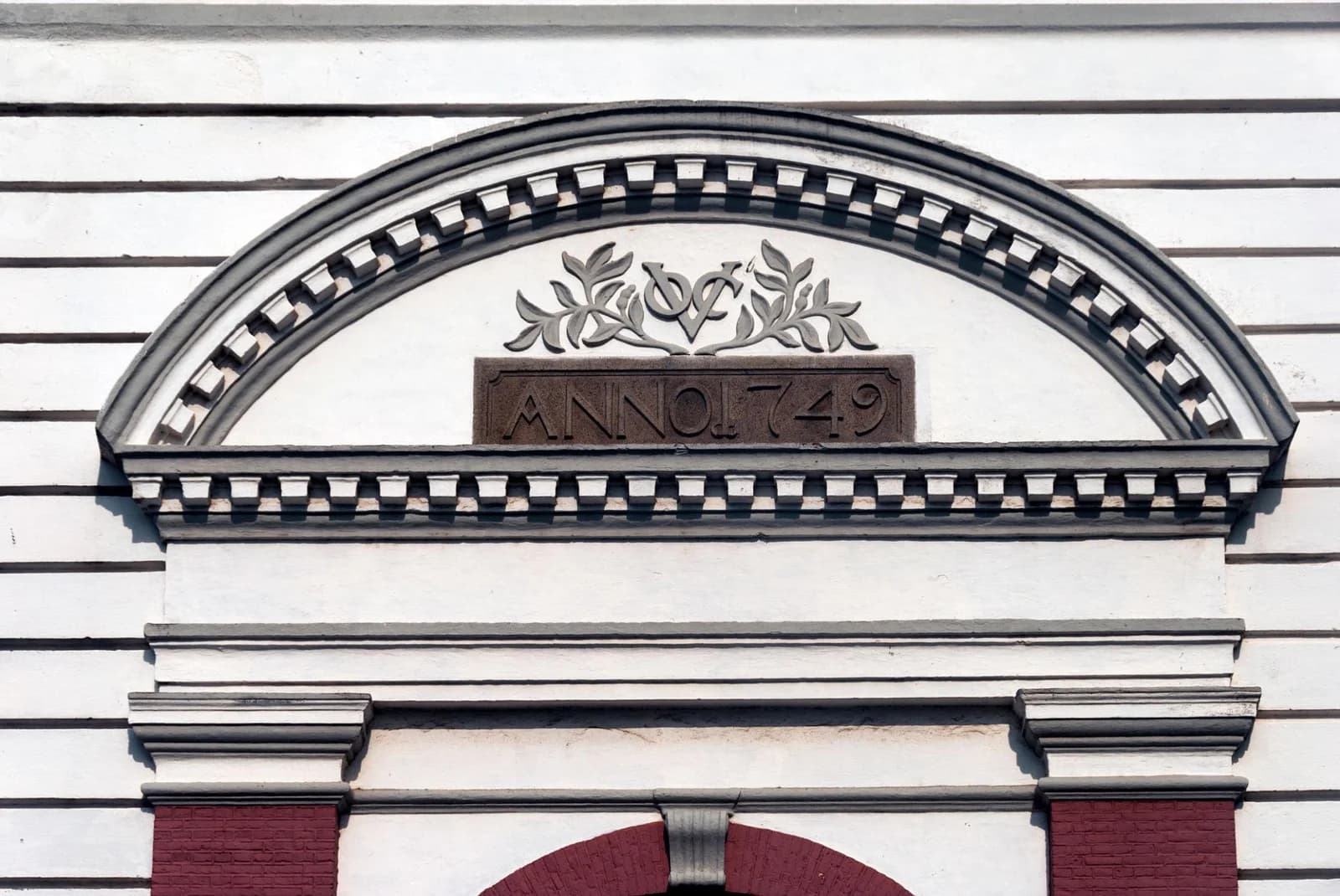
Across the coastal edges of Sri Lanka lies a living museum of history streets where colonial echoes linger in architecture, names, and culture. While centuries have passed since Dutch rule ended, some towns still carry the unmistakable imprint of that era. Walking through these historic lanes feels like stepping into a story where the past …
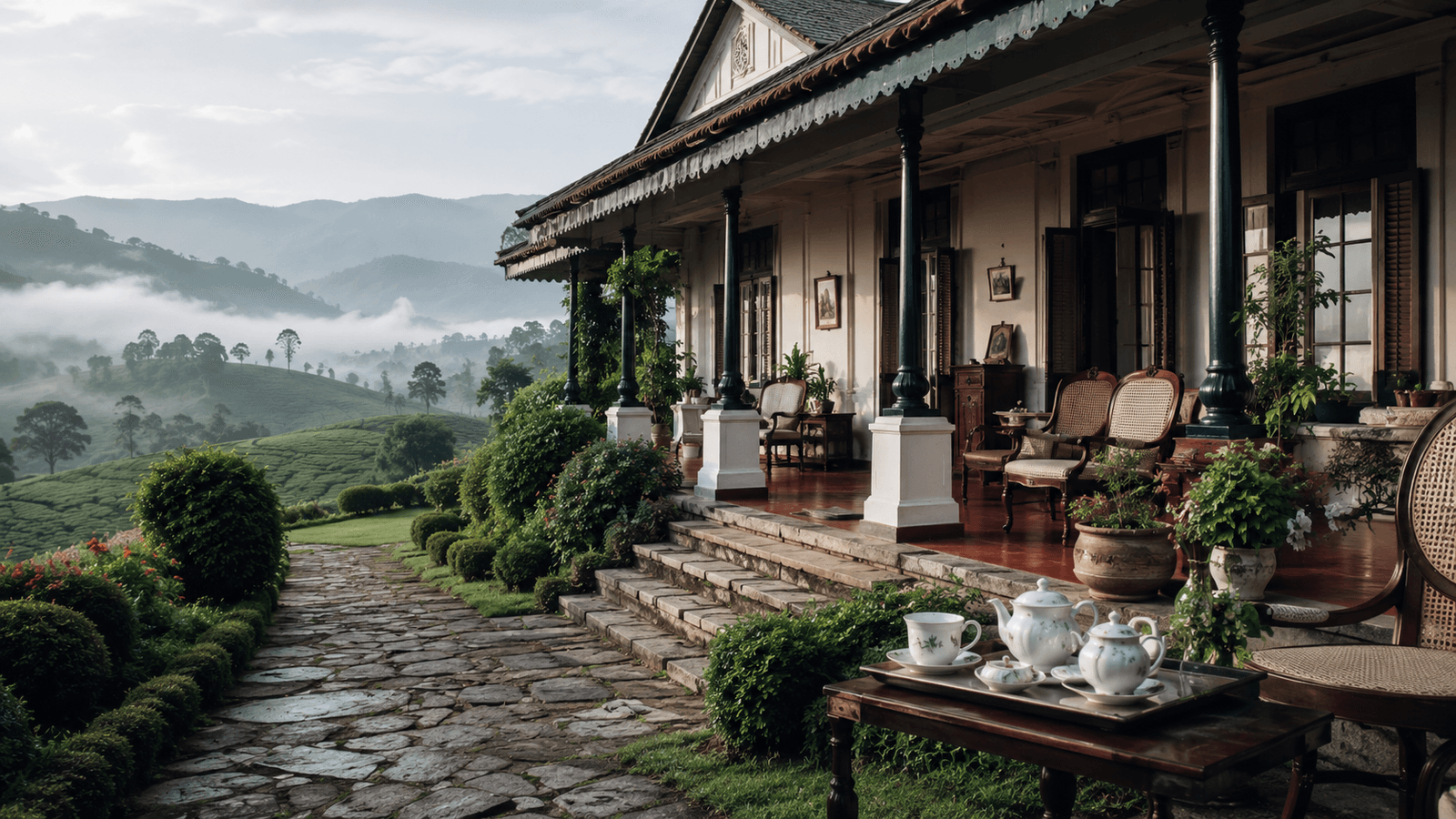
Sri Lanka’s misty mountains hold a fascinating legacy of colonial elegance, tea culture, and cool highland charm. Long before modern tourism arrived, British planters and colonial administrators escaped the tropical heat by building grand bungalows in the island’s cool hill country. Today, these historic hill stations and colonial bungalows remain among the most enchanting travel …
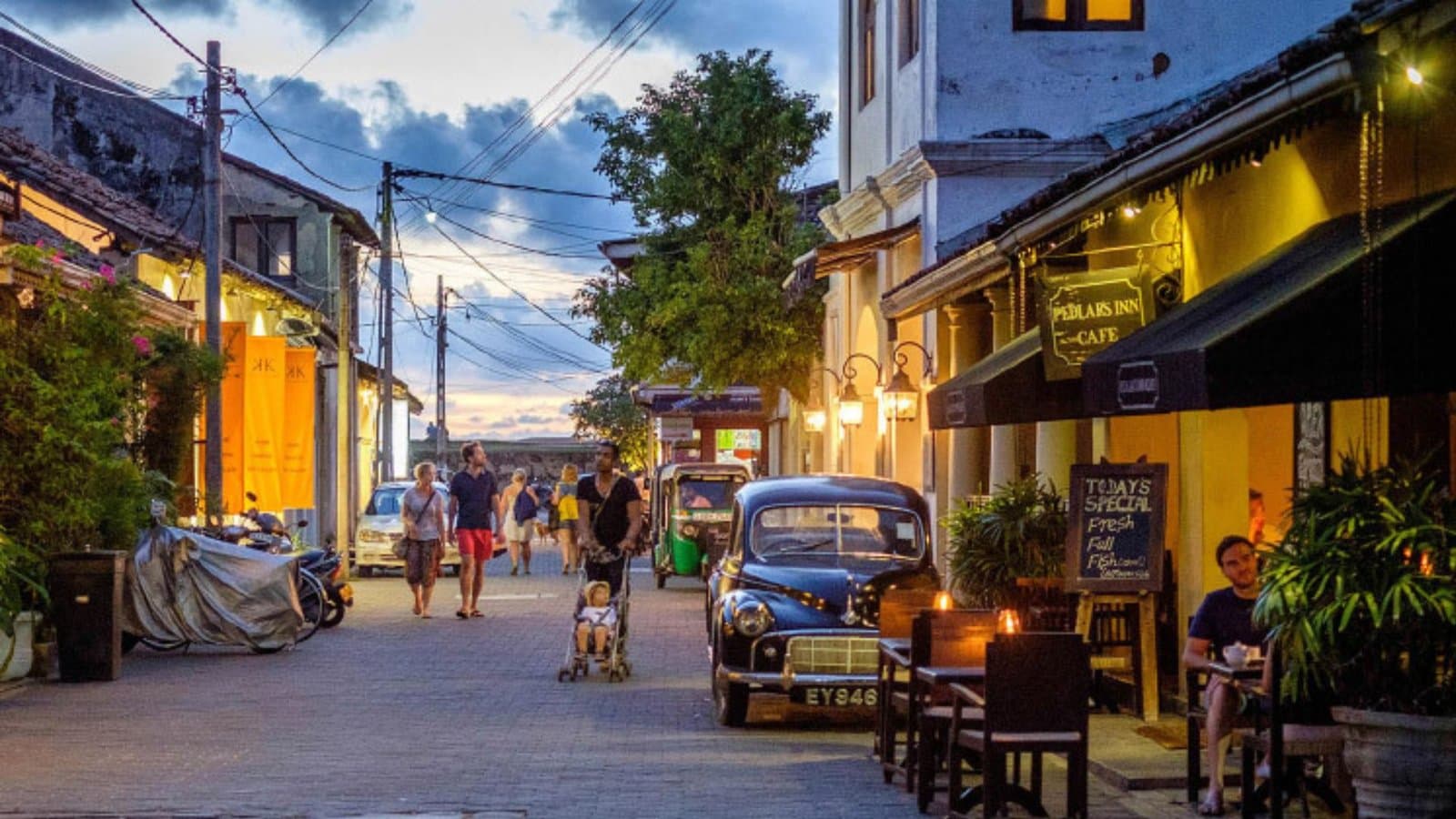
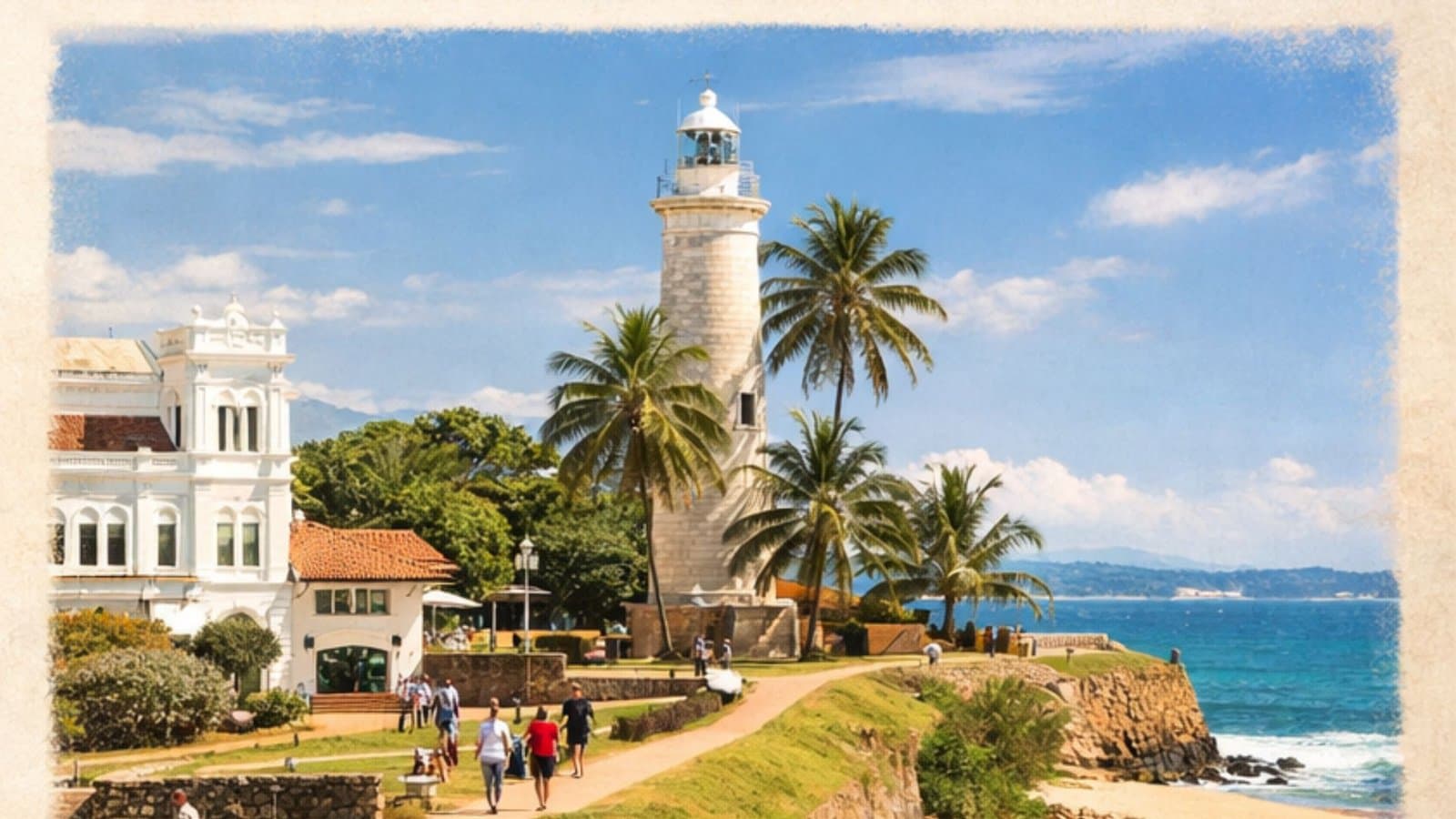
On the southern coast of Sri Lanka lies one of the most enchanting historical destinations in Asia — Galle Fort. With its cobblestone streets, colonial architecture, oceanfront walls, and vibrant café culture, this UNESCO-listed heritage site feels like a slice of Europe placed gently in the tropics. Often described as Europe’s most beautiful outpost in …
In a world where every moment is interrupted by notifications, emails, reels, breaking news, and endless scrolling, the idea of travel is changing. More people are no longer looking only for packed itineraries or highly curated bucket-list experiences. They are looking for something quieter. Something slower. Something that helps them breathe again. That is exactly …
In 2026, travel is moving away from rushed checklists and packed multi-stop itineraries. More travellers are choosing longer stays, fewer destinations, and more meaningful local experiences over the pressure to “see everything” in a few days. Travel trend coverage for 2026 consistently points toward trips built around depth, calm, overland journeys, wellness, and genuine connection …
The history of Dutch Ceylon is usually told through forts, cinnamon, governors, ships, and war. But that version leaves out one of the most important forces in colonial society: women. In the period of Dutch East India Company rule in coastal Ceylon, roughly from the mid-seventeenth century until 1796, women were not just background figures …
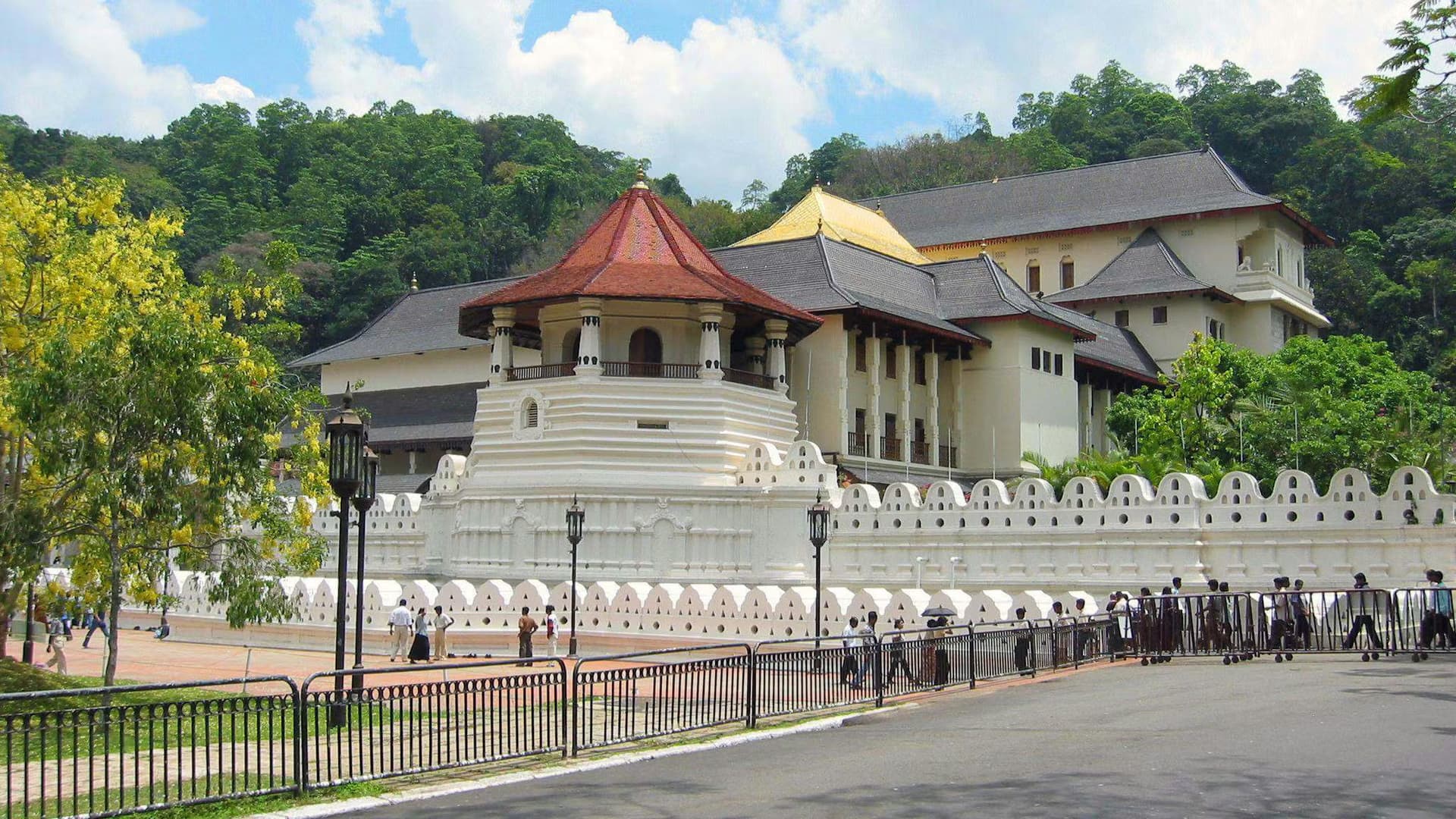
Kandy fell to the British in March 1815, but it was never just another conquered town on an imperial map. It was the last capital of the Sinhala kings, the keeper of the most revered Buddhist relic in the island, and a city whose meaning ran far deeper than administration, taxation, and military occupation. The …
The planter s world of Nuwara Eliya, Hatton and Dimbula in the early 1900s There is a particular quality of light in the Ceylon hill country at six o clock in the morning cool, silver-white, the mist still clinging to the tea rows as the first flush of sun catches the top of the ridge. In the …
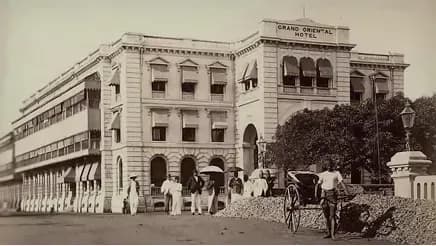
How Colombo s legendary hotel became the social heart of colonial Ceylon Before the Galle Face Hotel became the name every travel writer reached for, before the hill-country bungalows and the planter s club drew the eye of every arriving ship passenger, there was one address in Colombo s Fort district that set the tone for an entire …